

University of Maryland
JIFSAN-CFS³ Annual Symposium
October 21-22, 2026
From Data to Decisions: AI Transforming Food Safety and Nutrition
University of Maryland
Joint Institute for Food Safety and Applied Nutrition (JIFSAN)
Center for Food Safety and Security Systems (CFS3)
Sponsored by: The JIFSAN-CFS3 Advisory Council
REGISTER
Background
AI is rapidly becoming part of everyday expectations across food science, regulatory, and policy environments, but many teams are still asking where does AI actually add value, and how do we use it responsibly? Join industry government, and scientific leaders to explore how AI is moving beyond hype into practical application while also navigating real watchouts and necessary oversight that come with the use of AI tools.
Should You Attend? ABSOLUTELY! Why?
To hear an overview of AI food development and cutting edge use cases from both industry and the FDA, coupled with legal consideration and insights into validation of models and confidence in the outputs!
- AI in Practice: What It Can (and Can't) Do Today - Cut through the noise and understand where AI meaningfully supports food safety, regulatory, and nutrition decisions.
- From Pressure to Strategy: Making AI Work for You -Move beyond “being told to use AI” to applying AI in ways that are purposeful, efficient, and defensible.
- Real-World Applications Across sectors - Practical examples including predictive risk assessment, evidence synthesis, and supply chain insights
- Trust but Verify: Evaluating AI Outputs - Learn how to identify bias, validate outputs, and avoid over-reliance in scientific and regulatory contexts.
- The Path Forward: Responsible, Credible Use of AI - How to adopt AI while maintaining scientific integrity, regulatory alignment, and public trust.
Speakers and Panelists
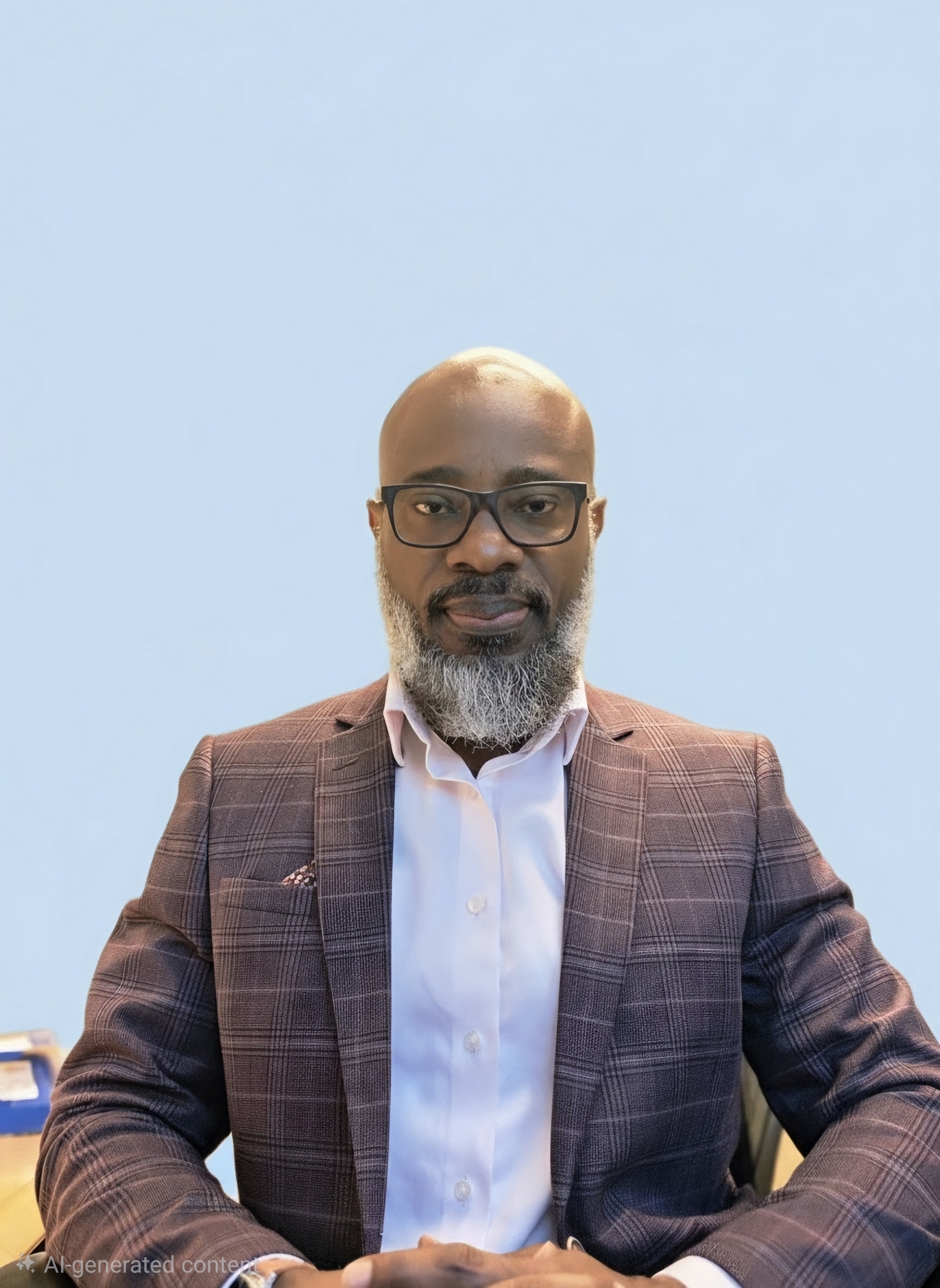
Ernest K. Kwegyir-Afful, PhD
Dr. Kwegyir-Afful is the Branch Chief of the Hazard Assessment and Analytics Branch
within the FDA's Human Foods Program, where he has spent over a decade pioneering
the use of artificial intelligence and advanced analytics to modernize food safety
regulation in the federal government.
Ernest is the principal architect of WILEE (Warp Intelligent Learning Engine), the Human
Foods Program's first comprehensive AI-powered surveillance system for food
chemicals. WILEE integrates large and diverse data sources to perform signal
detection, knowledge discovery, and horizon scanning across food additives, food
contact substances, color additives, dietary supplements, and chemical contaminants,
delivering faster, data-driven insights that strengthen the agency's ability to protect
public health across both post-market surveillance and premarket analysis functions.
Ernest has been a central figure in shaping FDA's broader AI strategy. He has led
CFSAN's AI interest group, served on the Executive Committee of FDA's agency-wide
AI/ML Workgroup, and contributed to the New Era of Smarter Food Safety initiative as
lead of the Predictive Analytics subgroup for Artificial Intelligence and Machine
Learning. His earlier work designing CFSAN's "Emerging Chemical Hazard Intelligence
Platform" was featured in KM World and the Harvard Business Review.
Ernest has also advised senior government officials from the Netherlands and Sweden
on deploying AI within regulatory frameworks and was an invited panelist for the
Harvard Business Review Executive Dinner Series on implementing AI in government
and industry.
Ernest holds a PhD in Neuroscience from the University of Maryland School of
Medicine, a Certificate in Data Science from Georgetown University, and a BSc (Hons)
in Biochemistry and Psychology from the University of Ghana.
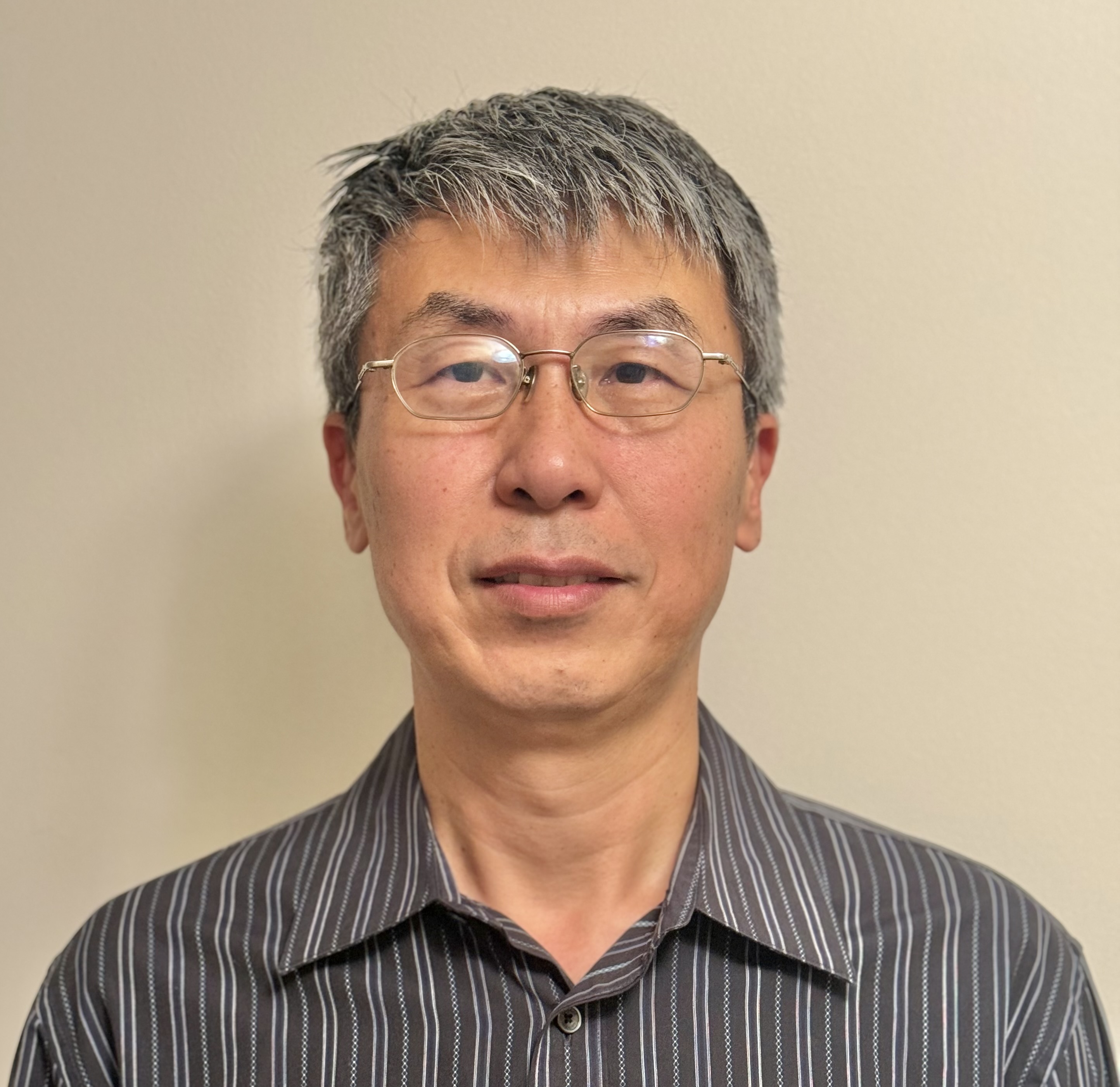
Dr. Yu Wang
Dr. Wang is a Health Informaticist at the U.S. Food and Drug Administration (FDA), where he
develops bioinformatic and AI tools to study foodborne pathogens and support regulatory
science. His current research includes applying transformer-based models to encode pathogen
genomes and characterize their virulence, as well as developing LLM-powered AI agents to
streamline the processing of consumer complaints on food and dietary supplements. He holds a
Ph.D. in Biomedical Engineering from Marquette University and completed postdoctoral training
in Bioinformatics and Systems Biology at the University of California, San Diego (UCSD).
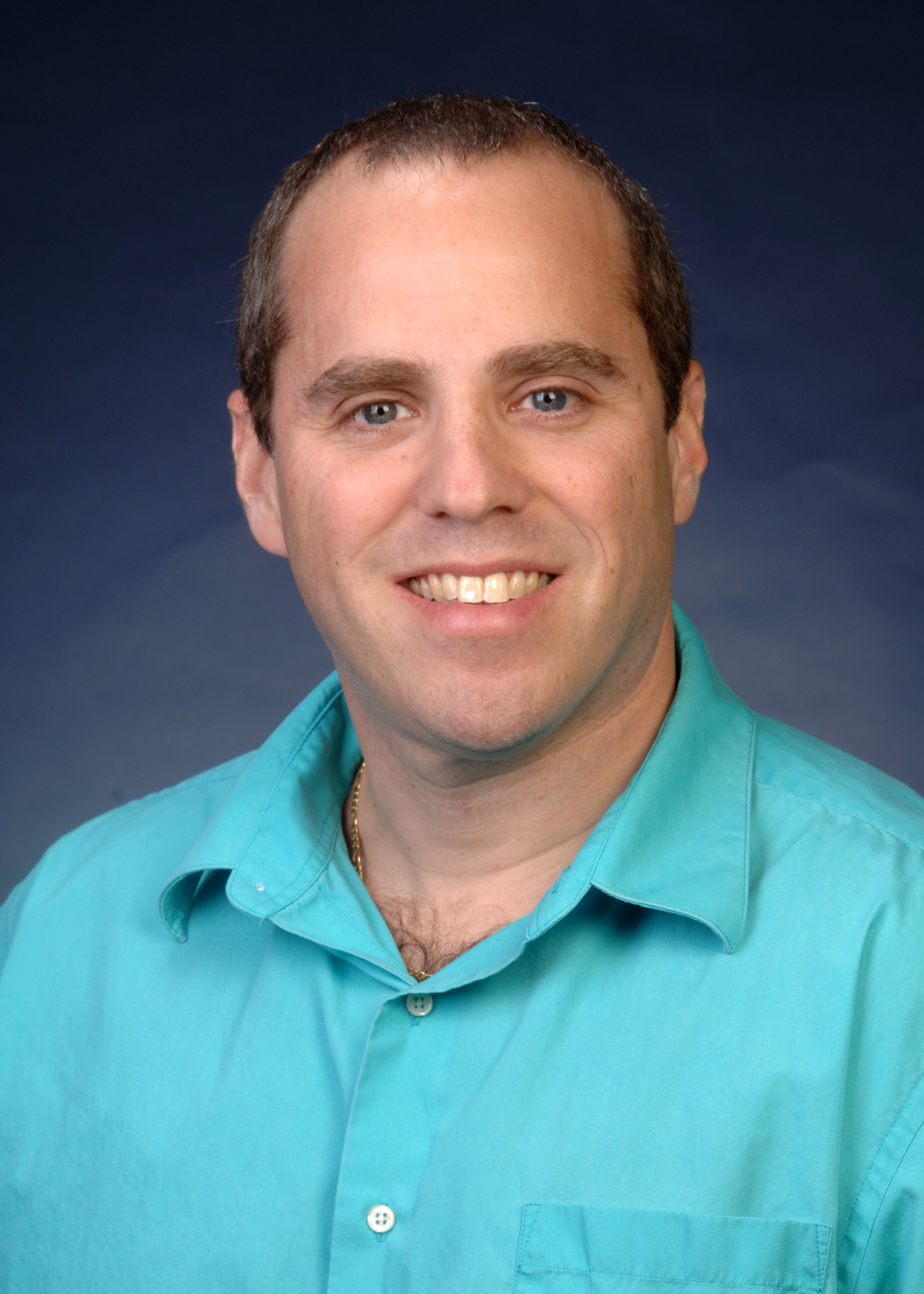
Dr. Craig Schlenoff
Dr. Schlenoff currently serves as the Chief of the AI Research, Measurement, and Standards
Division and the Senior Advisor for AI in the Information Technology Laboratory (ITL) in the
National Institute of Standards and Technology (NIST). In this role, he advises the ITL Director
and other NIST senior management on trends in AI and how NIST can best position itself to
enable U.S. industry to lead in AI innovation. Prior to this, Dr. Schlenoff served as the NIST
Acting Deputy Associate Director of Laboratory Programs (ADLP), where he advised the ADLP,
provided operational guidance for NIST’s scientific and technical laboratory programs across six
laboratories, led program and budget development, and coordinated interagency and outreach
activities, accelerating U.S. innovation.
Prior to this, Dr. Schlenoff served as the Director of the Office of Science and Technology
Policy’s (OSTP) Networking and Information Technology Research and Development (NITRD)
National Coordination Office. In this role, he coordinated $11B of Federal Government IT R&D
to identify, develop, and transition into use the secure IT, high-performance computing,
networking, and software capabilities needed by the Nation, and fostered public-private
partnerships that provide world-leading IT capabilities. He also served as the co-chair of the
NITRD AI R&D Interagency Working Group, where he led the development of the 2023 AI
R&D Strategic Plan Update.
Dr. Schlenoff received his bachelor’s degree in mechanical engineering at the University of
Maryland College Park, his master’s degree in mechanical engineering from Rensselaer
Polytechnic Institute, and his PhD in computer science from the University of Burgundy in
Dijon, France.
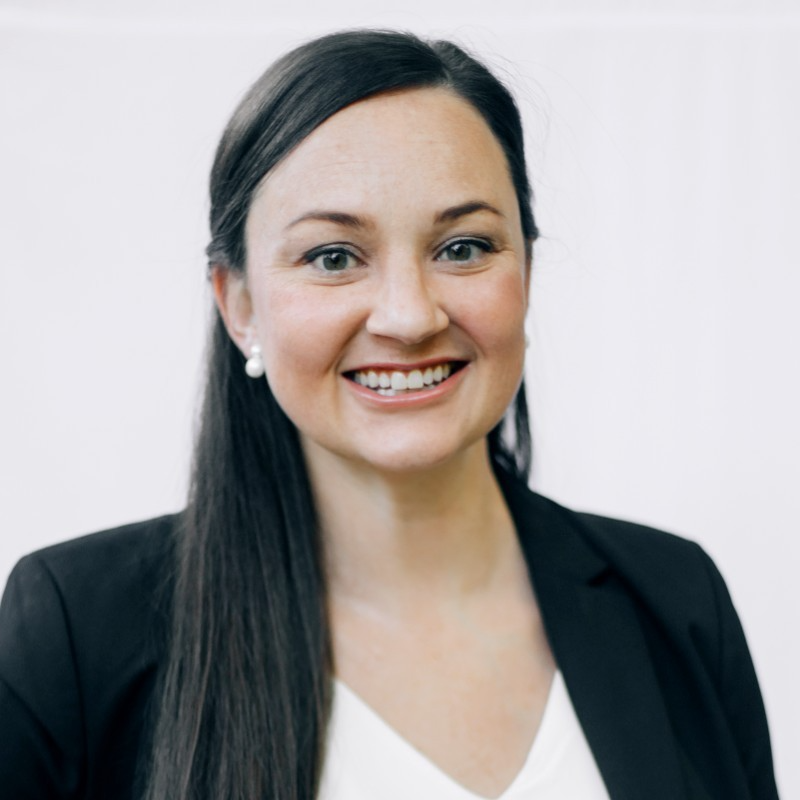
Dr. Seneca Fitch
Dr. Fitch is a Managing Scientist and Director of ToxStrategies’ Health Sciences Practice,
specializing in systematic evaluations of substances linked to consumer products, food additives,
pharmaceuticals, and industrial chemicals. As an expert information specialist and evidence
analyst, she supports the entire systematic review process, from problem formulation and
protocol development to data extraction, critical appraisal, and evidence synthesis. Her current
research focuses on automating systematic reviews in environmental and health-related risk
assessments, integrating artificial intelligence and machine learning to optimize literature
prioritization, evidence mapping, and systematic reviews. As a practitioner, Ms. Fitch has
extensive hands-on experience with leveraging informatics platforms and custom AI-facilitated
approaches to answer specific research questions. She is an active participant in the Evidence-
Based Toxicology Collaboration, serving on its scientific advisory council and as Chair of the
Research Methods Working Group. Ms. Fitch has co-authored 20 peer-reviewed publications and
2 book chapters, contributing to advancements in evidence-based toxicology and modern
approaches to evidence synthesis.
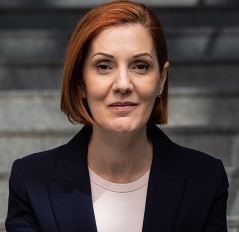
Dr. Amarda Shehu
Dr. Shehu is a Professor of Computer Science, Associate Dean for Research, and Vice President
and Chief AI Officer at George Mason University. In these roles, she leads Mason’s institution-
wide AI strategy spanning research, education, workforce development, and external
partnerships. She previously directed the Institute for Digital Innovation and has launched
multiple transdisciplinary centers to accelerate cross-campus collaboration and translation. Shehu
is also the primary architect of Mason’s AI education and literacy pipeline, including the
university’s new M.S. in Artificial Intelligence degree and the general-education “AI for All”
course. She chairs the university’s AI-in-Government Council, convening academia, industry,
and public agencies to advance responsible, mission-driven AI adoption. Her national service
includes prior work as an NSF Program Director in the CISE Directorate (2019–2022), and she
continues to help shape AI, biosecurity, and innovation agendas across academia, government,
and industry. An active AI researcher, Shehu has published over 200 papers with students and
collaborators, sustaining a long-running research program at the intersection of AI and molecular
biology that pioneers probabilistic, machine learning, and generative methods for protein
science, genomics, and molecular design. Her contributions have been recognized through
multiple awards for research, education, mentorship, and service, and by professional honors
including election as a 2022 Fellow of the American Institute for Medical and Biological
Engineering, IEEE Senior Member status, and membership in the Virginia Academy of Sciences,
Engineering, and Medicine.
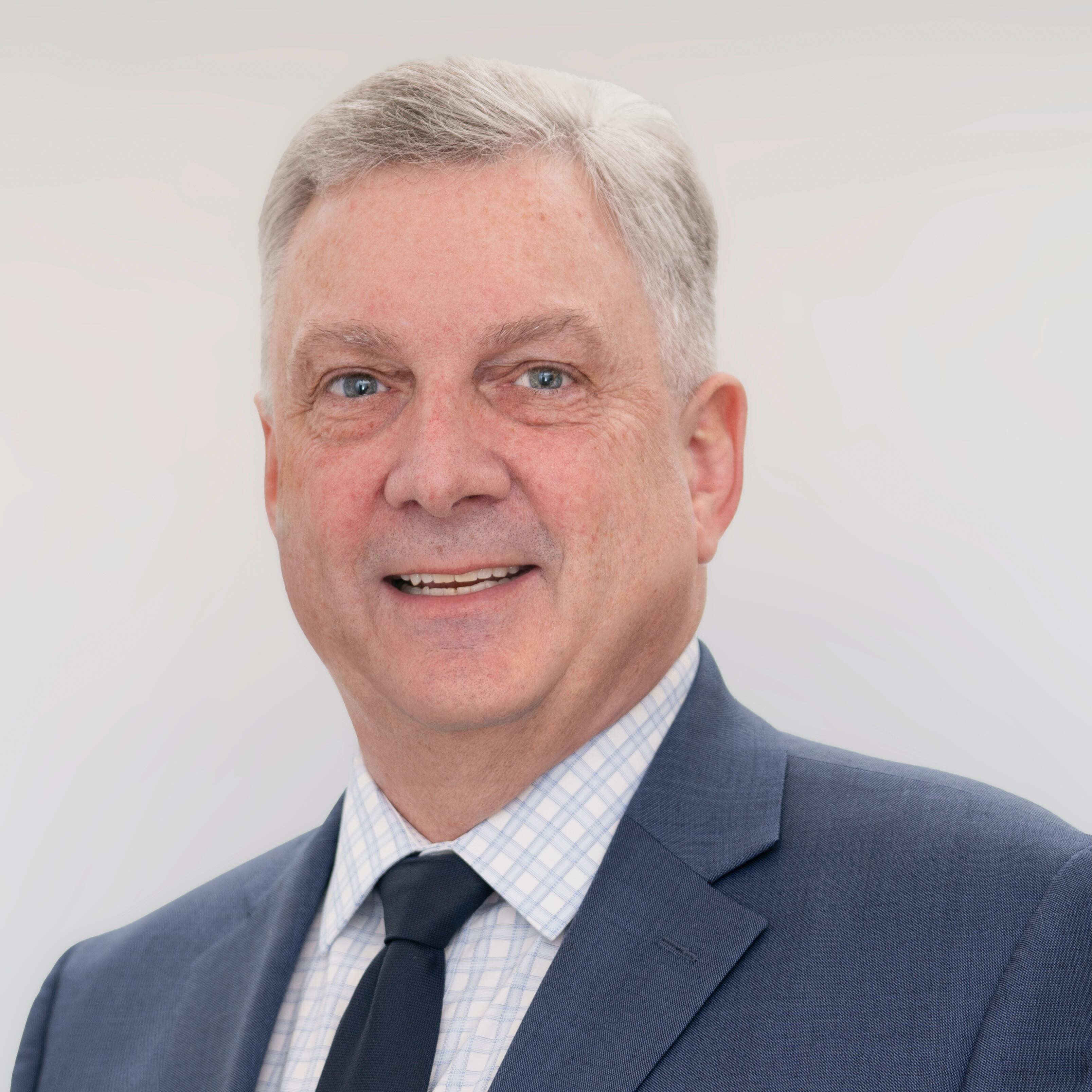
Steven M. Musser, PhD
Dr. Musser is currently the Associate Commissioner for Human Foods Research. In this role, he oversees an extensive research portfolio supporting priority human food programs including dietary supplements, microbiological food safety, and the safety assessments for food chemicals and contaminants. He’s published more than 100 articles in the peer reviewed scientific literature and regularly speaks on research topics at national and international scientific meetings.
Dr. Musser received his Ph.D. in Medicinal Chemistry from the University of Maryland in 1989. He then completed a post-doctoral research fellowship at the National Institutes of Health, National Cancer Institute. Following his post-doctoral training he started his career at FDA in 1991 as a research chemist.

Martine Ferguson
Ms. Ferguson is a Mathematical Statistician at the U.S. Food and Drug Administration
who has served in the agency since 2002, applying advanced statistical methods to
regulatory research in food safety, nutrition, and toxicology. She earned her Master's
degree in Statistics from the University of Maryland, Baltimore County, and her
Bachelor's degree in Zoology from the University of Florida. With expertise in machine
learning, Bayesian methods, and structural equation modeling, she has developed
methodologies for microbiological sampling, nutritional surveillance, and toxicological
assays supporting FDA regulatory policy on infant nutrition, food labeling, and
foodborne pathogen persistence. Her LLM usage focuses on vibe coding, literature
review, and summarization.
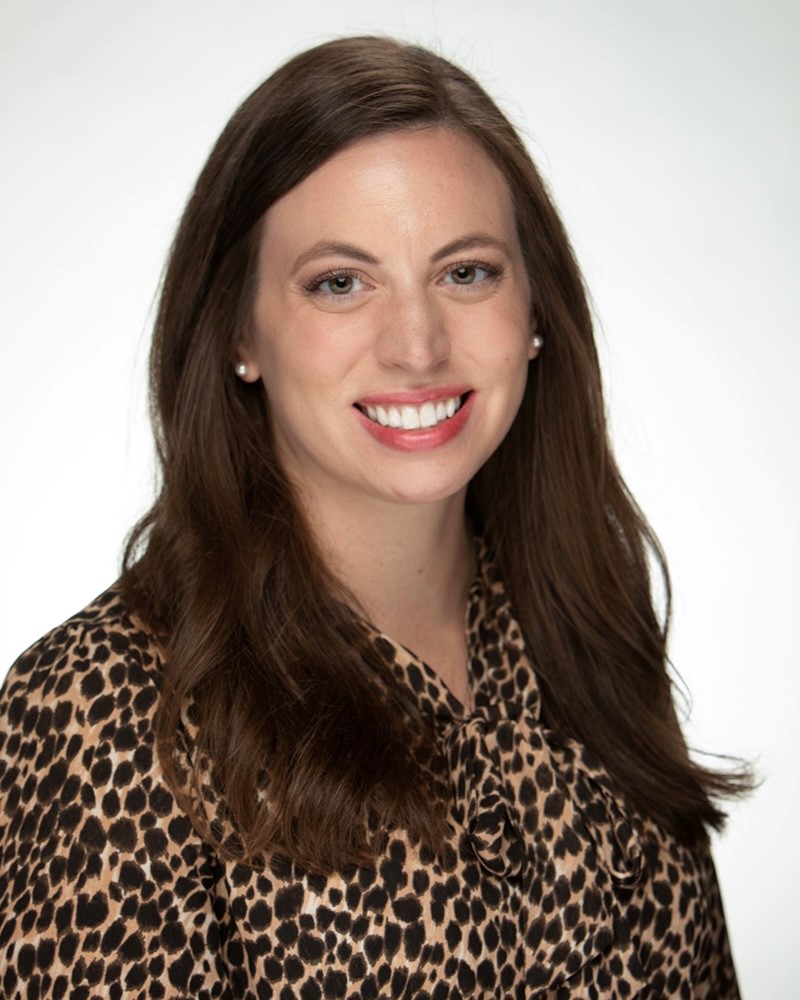
Mara McVay
Ms. McVay is Senior Director of Processing & Quality Systems at Conagra Brands, leading FSQRA Data & Systems, R&D Data & Systems, Technical Operations, and R&D Process Engineering. She brings experience across supply chain planning, enterprise technology transformations, data analytics, food safety, and operational excellence.
Mara is focused on building modern data and digital capabilities that enable smarter decisions, strengthen food safety and quality outcomes, and accelerate innovation. She leads strategies to leverage AI and advanced analytics to transform data into actionable insights, improve risk management, automate processes, and unlock new value across R&D and FSQRA.
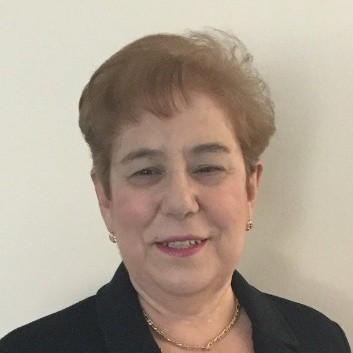
Patrizia Baron, PhD
Dr. Patrizia Barone is the Regional Vice President Regulatory Science – North America, developing and executing regulatory science advocacy strategy and building regulatory science capability. Patrizia joined Unilever in 2009 and has held roles of increasing responsibility in regulatory affairs, covering North America, Global Foods & Refreshment, Global Beauty & Personal Care, and The Americas.
Prior to joining Unilever, Patrizia held various positions in Research & Development at Reckitt Benckiser, Bayer Household Products Division and Colgate-Palmolive.
Patrizia has a Bachelor of Science in Chemistry from the University of Maryland College Park and a Ph.D. in Inorganic Chemistry from Georgetown University, Washington, D.C.

Isaac Wilks
Isaac Wilks is the co-founder of Human Chemical, which builds Agentic AI tools for safer chemistry. He leads product development, enterprise partnerships, and the company's work with global companies and federal agencies — including Human Chemical's research collaboration with the FDA Human Foods Program. He is a graduate of Yale University. At Human Chemical, Isaac has built the company's partnerships across sectors, including food, food packaging, and chemicals. He is also a presenter of Human Chemical's professional training on implementing agentic-AI workflows for safer products, delivered to toxicology and regulatory-science audiences (such as NURA, ACT, ACS, EUROTOX, ASCCT).
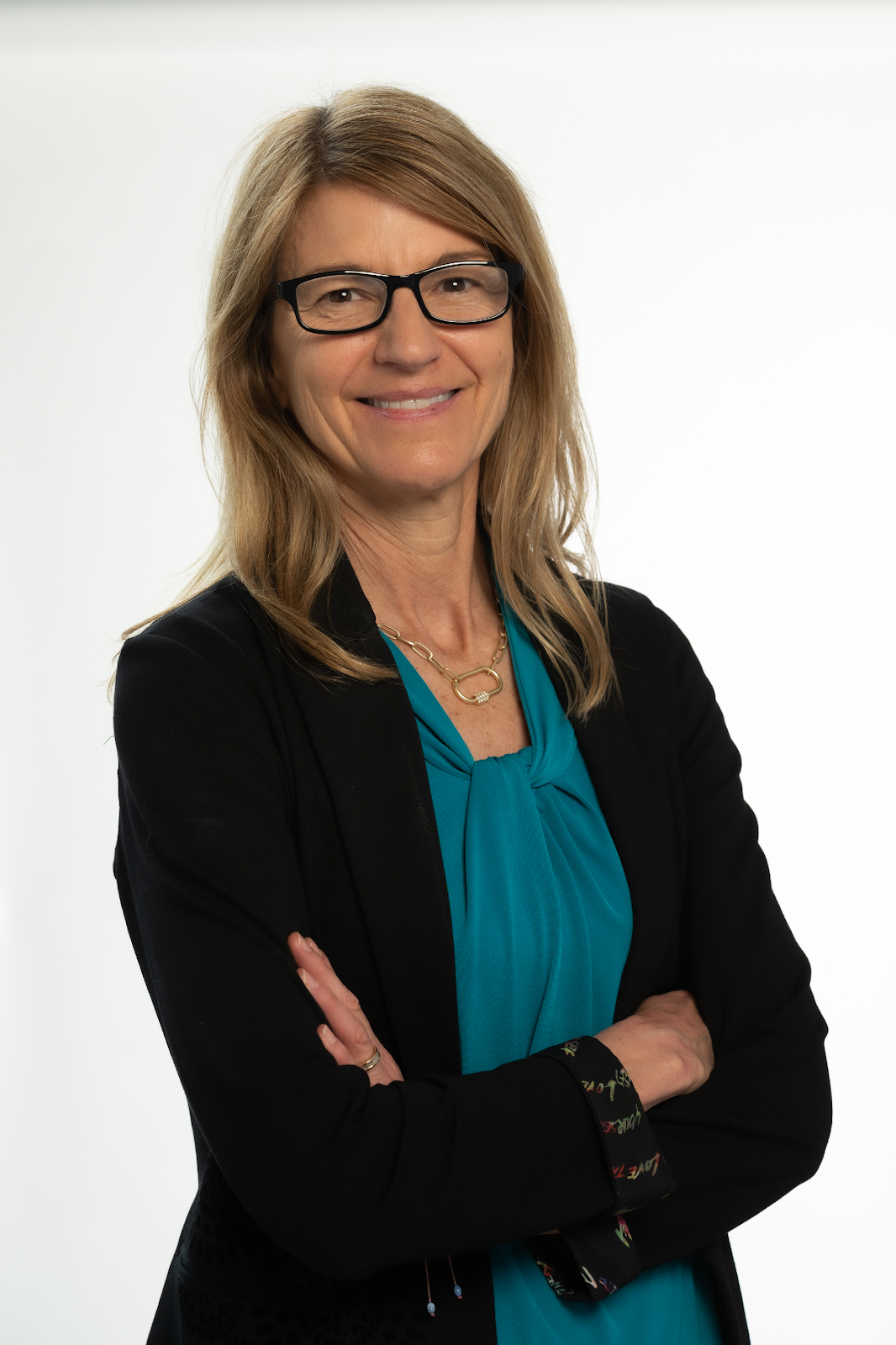
Britt Burton-Freeman, PhD
Britt Burton-Freeman, Ph.D., Professor of Food and Nutrition Science and Director of the Center for Nutrition Research (CNR), Institute for Food Safety and Health at the Illinois Institute of Technology (Illinois Tech). Dr. Burton-Freeman’s research investigates dietary strategies to address risk factors of cardio-metabolic diseases focusing on plant foods/ingredients and their unique nutritional/phytochemical attributes. Her research characterizes the polyphenol profile of various fruits and spices tracing their metabolic consequences after ingestion, including their dynamic relationship with the gut microbiome affecting local and systemic physiology and health status. Dr. Burton-Freeman also studies human variability in response to diet as part of NIH’s Nutrition for Precision Health powered by the All of Us program. Dr. Burton-Freeman is actively involved in multiple professional societies dedicated to health and disease abatement, publishes in top journals and serves on journal and advisory boards to advance nutrition and health knowledge. Dr. Burton-Freeman received her BS in Dietetics from the California State University, Chico, MS and PhD in Nutritional Biology from the University of California, Davis and completed a postdoctoral fellowship in the Department of Internal Medicine at University of California, Davis. Dr. Burton-Freeman has held professional appointments in academia and the biotech industry leading research programs and teams to deliver on basic and clinical science objectives.

David Michaels
David Michaels is a Senior Account Manager at Amazon Web Services (AWS), where he serves as the dedicated account lead for the U.S. Food and Drug Administration. With over 15 years of bioinformatics experience and involvement in food-borne pathogen detection solution implementations since 2010, David brings deep domain expertise to his work with FDA. He partners with FDA leadership and centers to accelerate modernization, AI/ML enablement, and workforce transformation initiatives, and works closely with FDA's HPF to deliver mission-driven outcomes on AWS.
Sujatha Dantuluri
Sujatha Dantuluri is a Senior Solutions Architect on the US Federal Civilian team at Amazon Web Services, bringing over two decades of experience delivering transformative cloud solutions for commercial enterprises and federal government agencies. She specializes in architecting mission-critical, highly available systems and partners closely with customers to accelerate their modernization journeys and achieve measurable outcomes. Her current work includes helping federal agencies harness generative AI and machine learning to drive innovation and operational efficiency.
A recognized thought leader and accomplished public speaker, Sujatha regularly shares her expertise at industry conferences and technology summits. She is an IEEE Senior Member, actively contributing to the advancement of industry standards and emerging technology practices.
_Huang.jpg)
Dr. I-Shuo (Wade) Huang
Dr. Huang is a regulatory scientist and data science professional specializing in analytical chemistry, computational modeling, artificial intelligence, and automation for public health. He has worked at the U.S. Food and Drug Administration (FDA) since 2021, leading analyses related to toxic elements, PFAS, food contaminants, regulatory data, and data transparency. Since 2025, Dr. Huang has also contributed to FDA chatbot development and evaluation, building scalable workflows to assess AI-generated responses and support the responsible use of generative AI in regulatory settings.
His expertise includes mass spectrometry, chemical risk assessment, Python and R automation, large-scale data analysis, and AI/LLM evaluation. He has developed data pipelines that reduce complex analyses from days to hours and mentors scientists in computational methods. Dr. Huang has authored 20+ peer-reviewed publications, received 600+ citations, delivered 40+ scientific presentations, and contributed to initiatives involving FDA, WHO, and NOAA.

Sanjeev Pulapaka
Sanjeev Pulapaka is a principal solutions architect and AI Lead for public sector at Amazon Web Services (AWS). Sanjeev is a published author with several blogs and a book on generative AI. He is also a well-known speaker at several events including Re:Invent and Summit. Sanjeev has an undergraduate degree in engineering from the Indian Institute of Technology and an MBA from the University of Notre Dame.
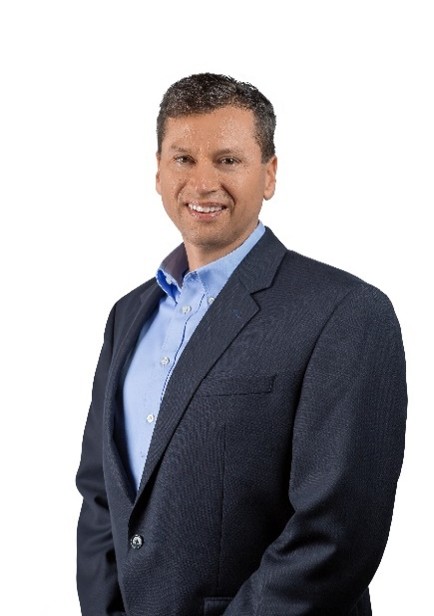
Dr. Robert Lawton
Robert Lawton is Senior Director, Associate General Counsel, Chief Growth Office (CGO), Enterprise Risk and Security for The Hershey Company. He leads the legal team supporting Hershey’s Chief Growth Office and has oversight responsibility for privacy, AI governance, security, and enterprise risk. Since joining Hershey in 2019 as Senior Counsel, Contracts & Global Supply Chain, Robert has held several leadership positions of increasing responsibility, including leading the company’s U.S. Commercial legal team and serving as Senior Director, Associate General Counsel for Salty Snacks, Privacy, Security, and Risk. Across these roles, he has provided strategic legal counsel on commercial, supply chain, privacy, security, and risk-related matters while helping drive business growth and operational excellence.
Robert brings more than 23 years of legal experience and a unique blend of business and legal expertise to his work. Prior to Hershey, he spent 16 years with K&L Gates LLP advising clients on general corporate and business matters, marketing, advertising and promotions, manufacturing, supply chain and transportation matters, government procurement, and commercial and construction litigation. Before entering the legal profession, he held senior business leadership roles in retail operations and management, including Director of Retail Operations for Danskin’s 55 store retail chain and President of Tighe Retail. Robert received a Juris Doctor degree, graduating magna cum laude, from the Widener University School of Law, an MBA with a concentration in finance and economics from Duquesne University, and a Bachelor of Science in Business Administration degree in accounting from Duquesne University.
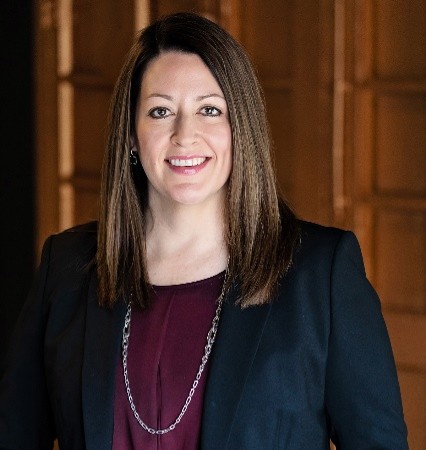
Allison Jennings
Allison Jennings is Vice President of Food Safety at Meijer, a privately-owned and family-operated Grand Rapids, Mich.-based retailer that operates more than 500 supercenters, neighborhood markets, Meijer Grocery and Express locations throughout Michigan, Ohio, Indiana, Illinois, Kentucky, and Wisconsin. Allison joined Meijer in March 2025 and leads the Meijer Food Safety & Quality Assurance function, bringing a rigorous, consumer-centric vision and strategic plan grounded in analytics and technology to the retailer’s food safety program. Her team supports Manufacturing, Distribution and Supply Chain, Own Brands, and Retail Stores food safety programs, along with Crisis Management and regulatory response, including recalls, foodborne illness outbreak response and related events.
Allison brings more than two decades of food safety leadership, with a consistent focus on modernizing programs through automation, digital tools and data-driven decision making. As Vice President, Food Safety for Albertsons, she introduced automation for key compliance initiatives, structured emergency response plans for regulatory issues, and improved Private Label scale label review, driving a reduction in recalls. At Amazon, she joined as employee number eight on the food safety team and ultimately led Worldwide Food Safety, Compliance and Quality globally — standardizing compliance, defining quality requirements for private label food and supplements, scaling food safety management systems, and supporting the Whole Foods Market integration. Earlier, at Kroger, she led retail stores food safety for the Atlanta division before advancing to manage corporate food safety and regulatory compliance programs enterprise-wide.
Allison is a former Peace Corps Volunteer, having served in Kenya, East Africa from 2003 to 2005, an experience that shaped her commitment to service, community and improving quality of life for others — a perspective that aligns closely with Meijer values and the company’s long-standing focus on supporting communities in need. She currently sits on the Advisory Committee for Auditing, Inspection & Assessment with the North Carolina State University Department of Food Science and is an Executive Board Member for the Conference for Food Protection. Allison holds a Master of Science in Food Service and Lodging Administration from the University of Tennessee and a Bachelor of Science in Dietetics from the University of California, Davis, and she is a registered dietitian. She lives in Grand Rapids with her husband and their three dogs.